
Lemon vs. Lime in Non-Alcoholic Cocktails: Flavor, Health Benefits, and Best Uses
When it comes to non-alcoholic cocktails, lemon and lime often top the list of citrus options. Both fruits provide a refreshing burst of flavor, but their tastes are distinct, and understanding these differences can help you make the right substitution or select the best option for your drink. Let’s break down their flavors, vitamin content, and where each one shines best.
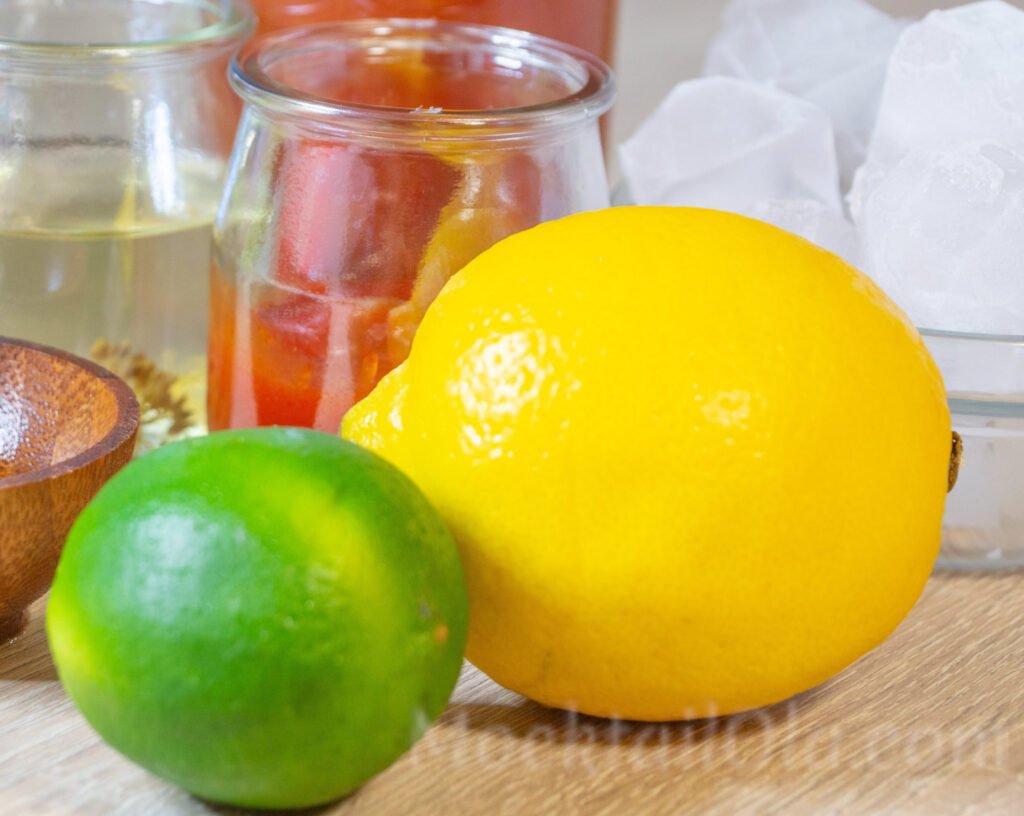
Flavor Differences
Lemons and limes might look similar, but their flavors are quite unique:
Lemon has a bright, tangy, and slightly sweet flavor. It is smoother with a balanced acidity that works well for a wide range of drinks and dishes.
Lime tends to be sharper, with a spicier, more tart taste. It has a more concentrated citrus flavor with a hint of bitterness, making it crisper and more refreshing but slightly less sweet than lemon.
Vitamin C Content: Lemon vs. Lime
Both lemon and lime are excellent sources of vitamin C, an essential nutrient for your immune system, skin health, and even your mood. However, if you compare their vitamin C levels, lemons contain slightly more. On average, one lemon provides about 53 mg of vitamin C, while one lime contains around 29 mg.
So, if you’re looking for a higher dose of vitamin C, lemon is the clear winner. However, limes are still very beneficial, offering a decent amount of vitamin C along with many antioxidants.
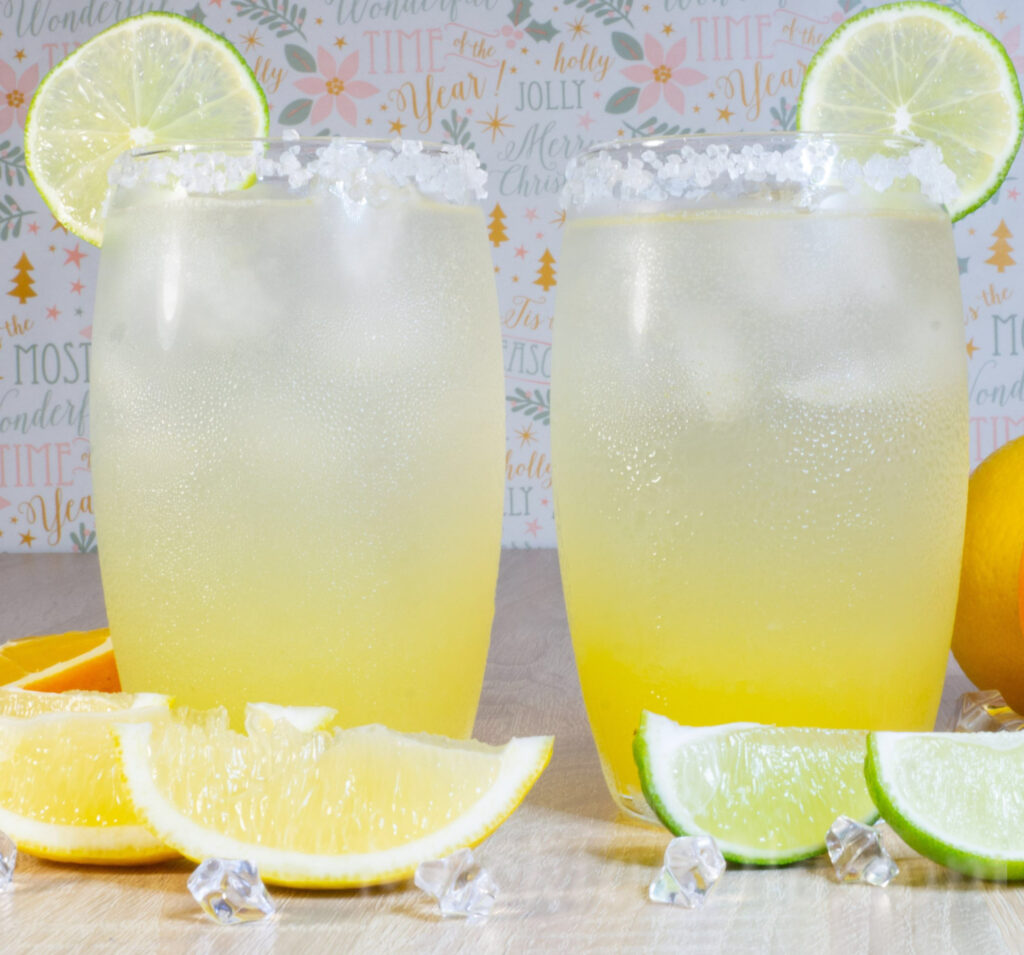
Flavor Pairings: Lemon vs. Lime
Choosing between lemon and lime in non-alcoholic cocktails can significantly affect the final flavor profile. Here’s what works best with each fruit.
Lemon pairs well with: berries (strawberries, blueberries), ginger, mint, honey, tea, sparkling water.
The milder acidity of lemon makes it perfect for drinks where you want a citrus touch without overpowering other flavors. For example, lemonade is ideal with lemon because it provides a balanced sweet-tart taste without overwhelming the drink.
Lime pairs well with: tropical fruits (pineapple, mango), coconut, mint, chili, sugarcane juice, cucumber.
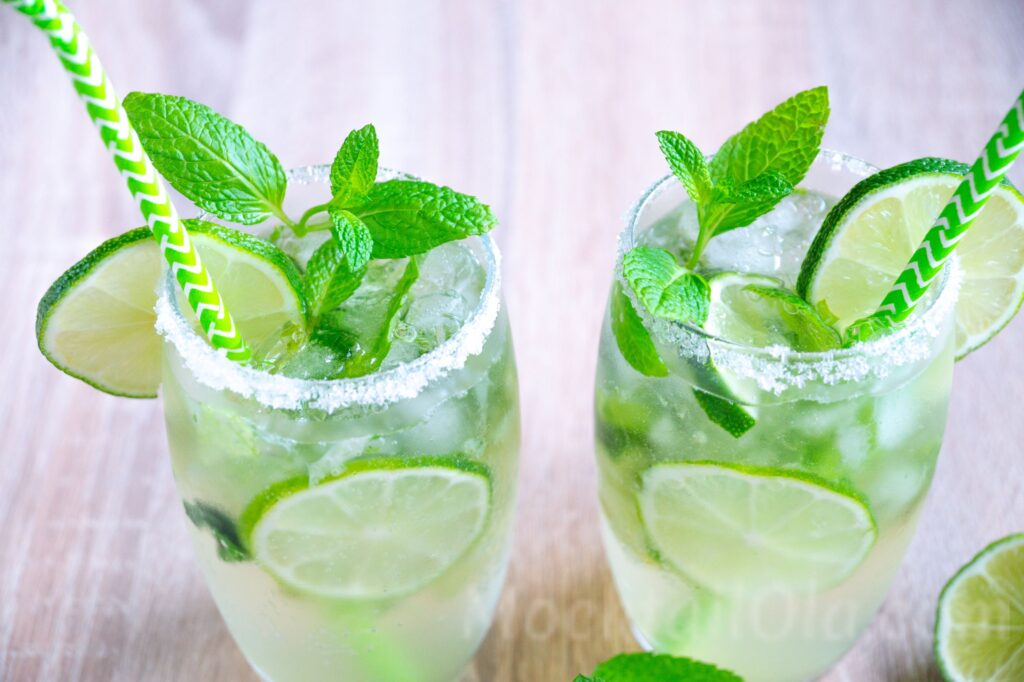
Lime’s boldness cuts through stronger flavors, working especially well in tropical and spicy drinks. A classic example is the virgin mojito, where the sharp, zesty lime highlights the refreshing mint and contrasts with the sweetness, giving the drink its signature tangy taste. Using lemon in a mojito would make the drink too sweet and less vibrant.
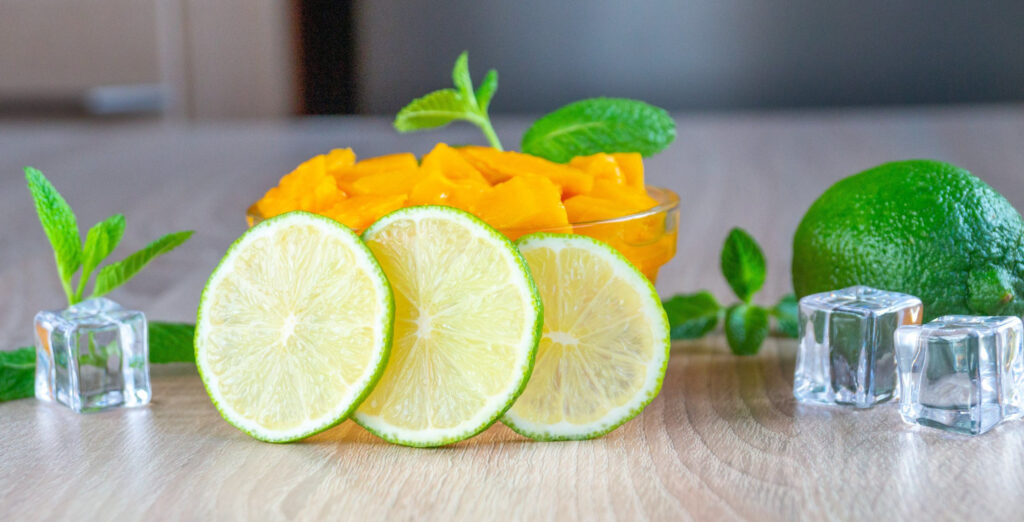
Substituting Lemon for Lime: When and How?
You can often substitute one fruit for the other, but the result will vary depending on the drink:
Use lemon instead of lime when you want a less intense, slightly sweeter citrus note. For instance, in a margarita, using lemon instead of lime will make the drink softer and less sharp. It may lack the characteristic punch of lime, but it will still taste delicious.
Use lime instead of lemon in tropical drinks or when you need a sharper flavor. For example, if you’re making a mocktail with pineapple or coconut, lime will enhance the tropical essence, whereas lemon might dull the overall flavor.
Best Cocktails for Lemon and Lime
Here’s a quick look at where lemon or lime works best in non-alcoholic cocktails:
Best with Lemon:
Lemonade: Naturally, this refreshing summer drink is all about lemons. Its balanced sweet-tart flavor is perfect for this thirst-quenching classic.
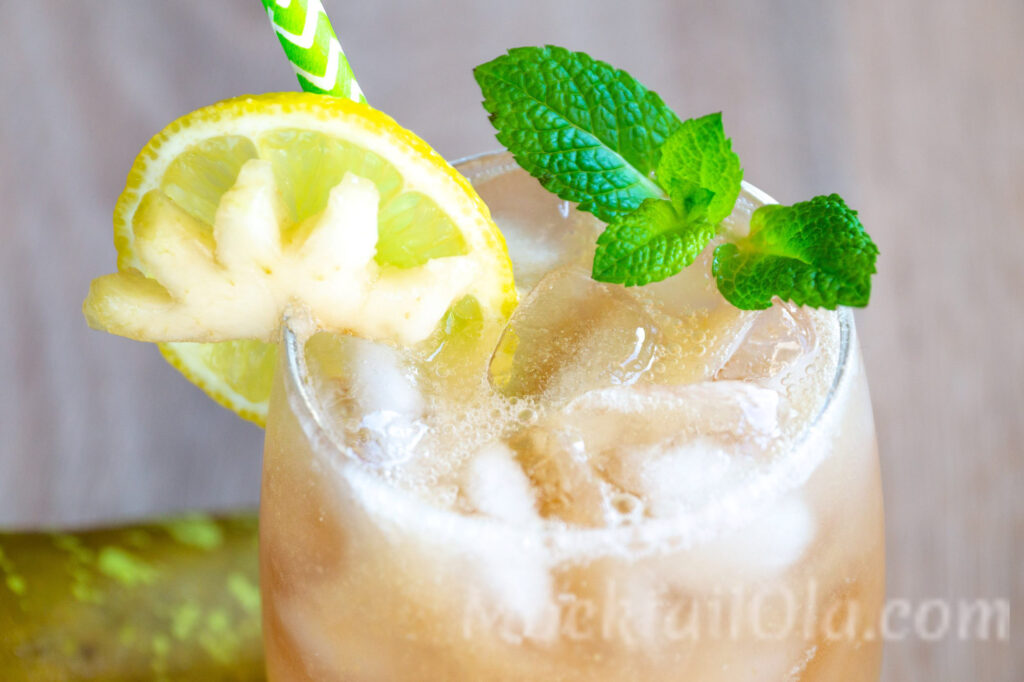
Arnold Palmer (iced tea and lemonade): Lemon enhances the tanginess and blends well with tea.
Berry Spritzers: Lemon complements the natural sweetness of berries without overpowering them.
Best with Lime:
Mojito: Lime’s bold flavor is what makes this non-alcoholic cocktail stand out. Lemon would be too mild and wouldn’t deliver the refreshing punch that lime provides.
Virgin Margarita: Lime is essential for the tangy, sharp flavor that defines this drink. Lemon would soften it too much.
Cucumber Lime Cooler: Lime’s zestiness enhances the cool, refreshing taste of cucumber, creating the perfect balance of flavors.
Lemon or Lime?
Both lemon and lime bring unique qualities to non-alcoholic cocktails, and while you can substitute them in some cases, it’s important to understand how the flavor changes. Lemon is sweeter and more balanced, while lime is bolder, sharper, and tangier. For drinks where you need a clean, refreshing punch (like mojitos or margaritas), lime is your best bet. For softer, sweet-tart drinks (like lemonade or berry spritzers), lemon is ideal.
In short: lime for punch, lemon for balance—and your mocktails will always taste just right. Additionally, drinks garnished with lemon or lime slices or wheels not only taste fresh but also look stunning, adding a vibrant pop of color that elevates any presentation. And despite all the guidelines, remember that the most important rule is to trust your own taste. Experiment, and prepare your drinks based on your personal preferences. After all, the best cocktail is the one that you enjoy most!